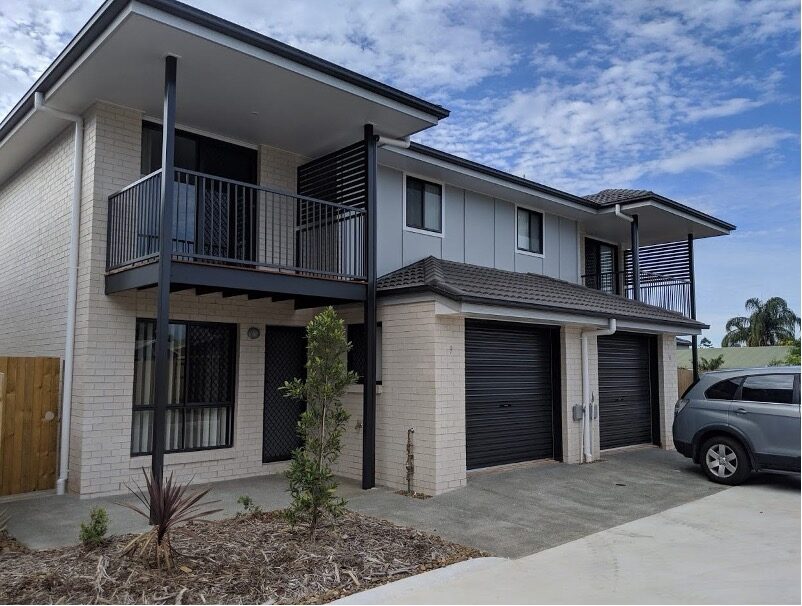
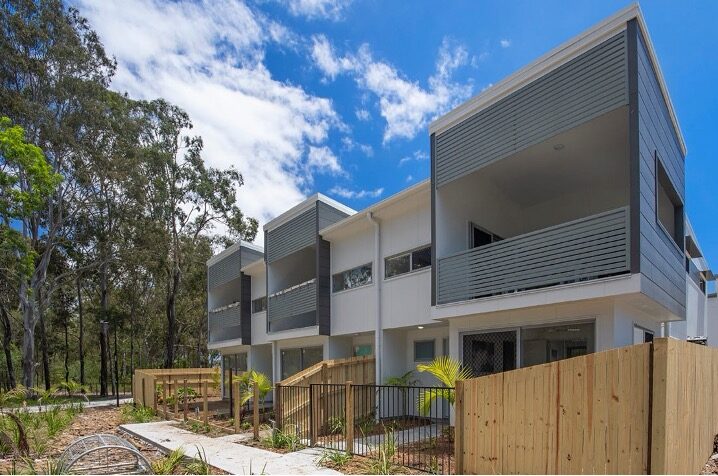
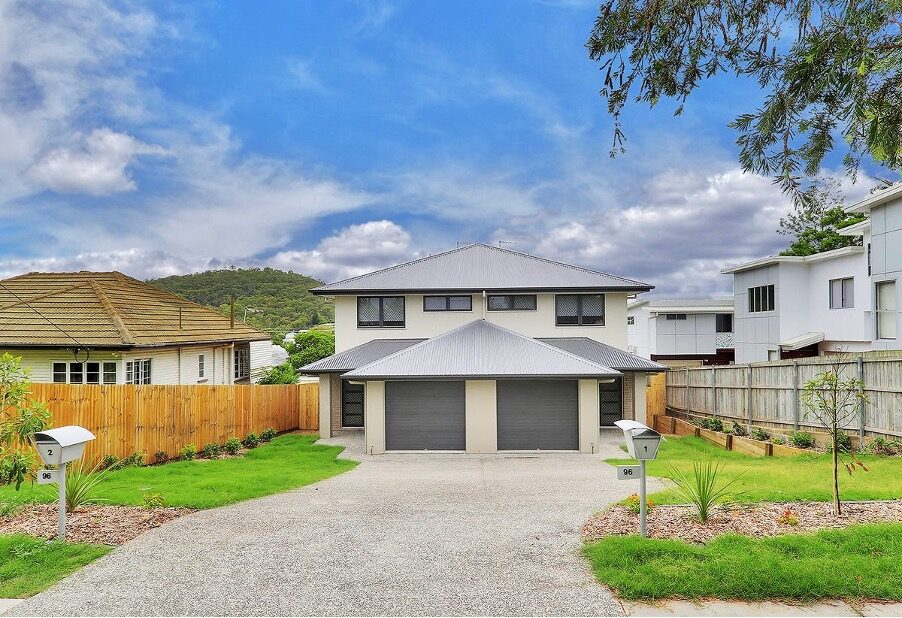
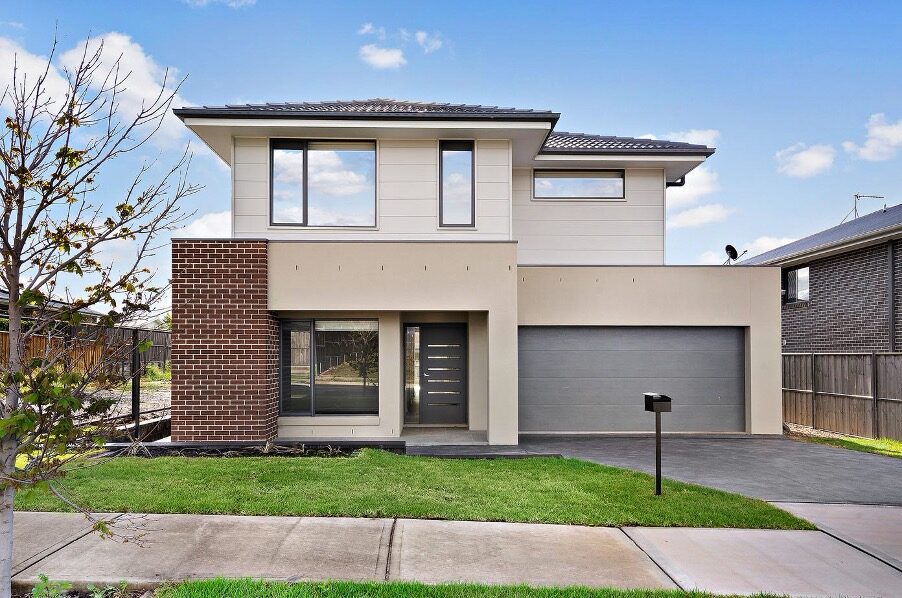
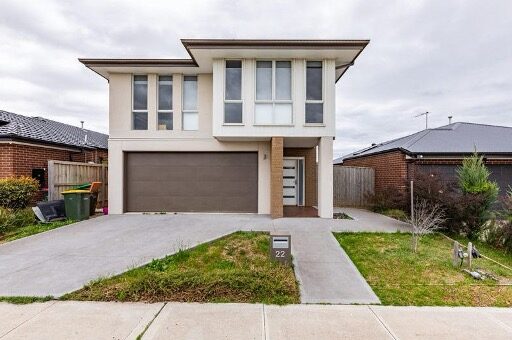
We designed this five-studio rooming house from scratch, found the block undervalued, ran our full due-diligence study, and walked Ben the whole way: from the initial strategy through to tenants in the door.
Switch your home from a mortgage to a wealth-building asset. This is the methodology behind it: how we shorten the time between property purchases, and why that matters more than any single property.
The objective isn't to buy an investment property. The objective is to build a portfolio that creates long-term wealth and financial freedom. Here is exactly how we go about it.
Why most investors stop at one, and what actually blocks the second.
Read on → 02The 7.7 year problem, and the numbers that change it.
Read on → 03Three things working at once, instead of waiting on one.
Read on → 04The loop that turns one property into a portfolio.
Read on → 05Manufactured equity is never one decision. It is six, stacked.
Read on → 06Growth builds wealth. Cash flow is what lets you keep going.
Read on → 07Our first meeting is a diagnostic, not a pitch.
Read on → 08Seven steps from your objectives to contract risk.
Read on → 09Four real clients, real numbers, real outcomes.
Read on →The objective isn't simply to buy an investment property. The objective is to build a portfolio that creates long-term wealth and financial freedom.
Most investors never progress beyond one or two investment properties, because they rely solely on market growth to build equity.
By the time enough equity has accumulated for the next deposit, many years have passed. And by then, borrowing capacity has often become the limiting factor instead.
The numbers back this up.
of Australian housing investors own just one investment property.
As at 2022–23, of 2.3 million individual housing investors. Source: Reserve Bank of Australia, Bulletin, May 2026, analysis of Australian Taxation Office administrative data.
Bought. Tenanted. Performing, or at least holding. For seven out of ten Australian investors, this is where the story ends.
Blocked. Not by a lack of ambition, but by something specific: equity, borrowing capacity, cash flow, savings, diversification or timeline.
Not enough usable equity in the existing portfolio to fund the next deposit.
The lender's servicing calculation says no, regardless of how much equity is available.
Holding costs are consuming surplus income, leaving no buffer for another purchase.
Not enough cash on hand for deposits, costs, buffers and settlement.
Too much of the portfolio concentrated in one market, one type, or one lender.
The timeline has shortened, and the objective is shifting from growth to income.
Buying Property 1 is only the beginning.The Property Room
Most investors wait for the market to do the heavy lifting. That wait has a number attached to it, and the number is bigger than most people expect.
If you rely on capital growth alone, it takes roughly 7.7 years before enough usable equity has accumulated to fund the deposit and purchase costs on another similar investment property.
Rather than measuring a property by how much equity it creates, we think investors should measure it by something more useful: how much sooner it lets you buy the next one.
How manufactured equity at completion changes the wait
This is a simplified model, not a forecast or a promise. Change any assumption and every number changes with it. Your own timeline depends on your income, borrowing capacity, tax position, the property and the market at the time. Past performance is not a reliable indicator of future performance.
Will this property help you buy your next property sooner?The one question every property has to answer
The bank designed your home loan to take thirty years. We didn't. The Equity Switch is about making three things work at once, instead of waiting on one.
In seven to ten years rather than thirty, by restructuring finance and recycling equity back onto your own home loan instead of leaving it with the bank.
New builds carry tax incentives that established properties do not. Used properly, they reduce taxable income and improve the real cost of holding the portfolio.
By building below the established benchmark in the suburb, so the equity is real and valuation-backed, not a commission-loaded price a valuer will never support.
We don't work from what happens to be listed on the major portals. Most of it simply doesn't stack up as an investment.
Instead we build opportunities from scratch: find the land, match it to the right builder, and run a full feasibility study before anything is recommended. That is the only way we can control the two things that matter most, the total cost going in and the finished value coming out.
Manufactured equity is rarely created by one decision. It is usually the result of combining several advantages into the one property.
We recommend homes that appeal to the largest segment of future buyers. Broad owner-occupier appeal typically means stronger demand, better resale and more reliable long-term growth.
We design homes to meet or exceed the quality buyers expect in the surrounding neighbourhood, while keeping project-builder construction costs. Not the cheapest home. The best value one.
We compare investment builders across Australia to find the best combination of design, inclusions, construction quality and price per square metre. Lower cost without lower perceived value.
We prefer locations where established comparable homes already sell above the total cost of the new house and land package. Strong benchmark sales give a valuer evidence to work with.
We focus on suburbs and estates with strong owner-occupier demand, because those markets have historically shown more resilient growth and stronger resale demand.
We target locations benefiting from employment growth, new infrastructure, transport, schools, healthcare and rising population. All of it creates long-term demand for housing.
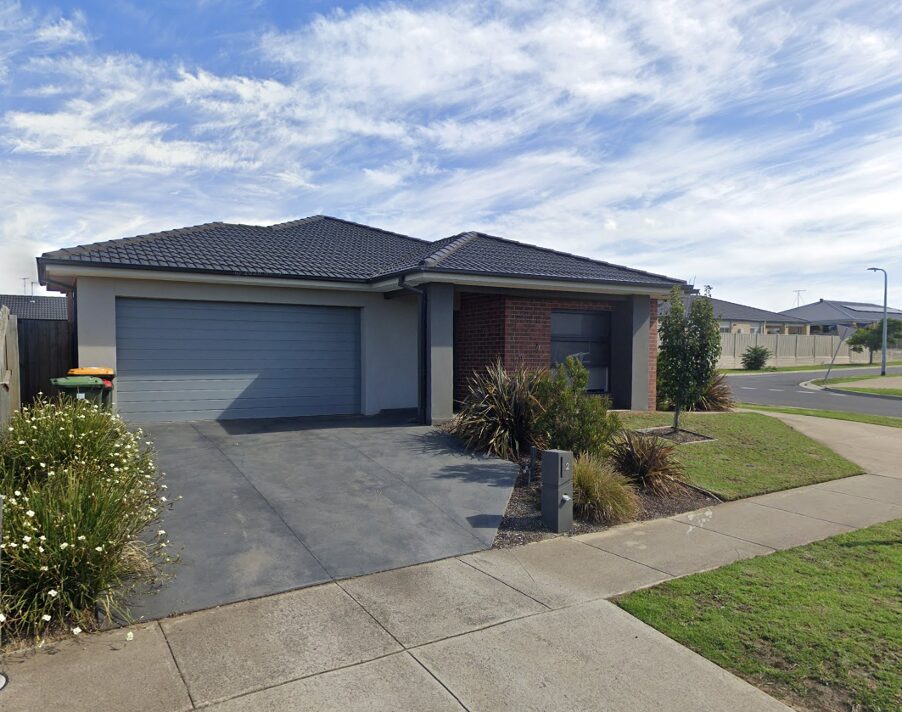
Owner-occupiers set the benchmark sales in a suburb, and benchmark sales are what influence future valuations. Build something only an investor would want, and you narrow the pool of people who can ever buy it from you.
Capital growth builds wealth. Cash flow is what allows investors to keep going.
Higher rental income can improve borrowing capacity, reduce the cost of holding the portfolio, and give you far more flexibility along the way.
Depending on your goals, that might mean a traditional home. It might mean a duplex, a dual occupancy, co-living or a rooming house. No property type is inherently better than another. Each performs a different job.

The broadest owner-occupier resale pool, and the simplest to hold and manage.
Growth
Two homes side by side on one block, often split onto their own titles. Hold both, or keep one and sell the other later.
Equity
Two dwellings on the one title. A granny flat, a dual-key, or a purpose-built self-contained second dwelling.
Cash flow
Self-contained rooms designed for shared living and let individually.
Yield
Purpose-built for multiple incomes and higher yields. A specialist strategy we know inside out.
ServiceabilityHouse and land is not the strategy. Duplex is not the strategy. They are tools.
Before we talk about any property, we need to understand your position. Our first meeting is a diagnostic, not a pitch.
The health check becomes the starting point for every recommendation that follows. It is how we identify your current bottleneck, and it is the difference between receiving a portfolio strategy and simply being sold a property.

Once we have identified your bottleneck, every opportunity goes through the same seven steps.
What are you actually trying to build, and by when? Everything downstream depends on the answer.
The single constraint most limiting your ability to buy again.
Which tool does the job your portfolio needs done right now.
We compare the fundamentals that drive long-term demand, not last quarter's headlines.
We have built one of the biggest national builder, developer and agent comparison databases across multiple Australian markets. Some homes may be newly constructed, some may be under construction, but the majority we find and piece the deal together from scratch.
We compare the completed home against surrounding owner-occupier sales, so there is real evidence behind the finished value rather than a hopeful number.
Construction contracts are assessed for any potential risks that could quietly cost investors money. We want to mitigate or remove every risk we possibly can.


Four real clients. Different bottlenecks, different tools, the same methodology.
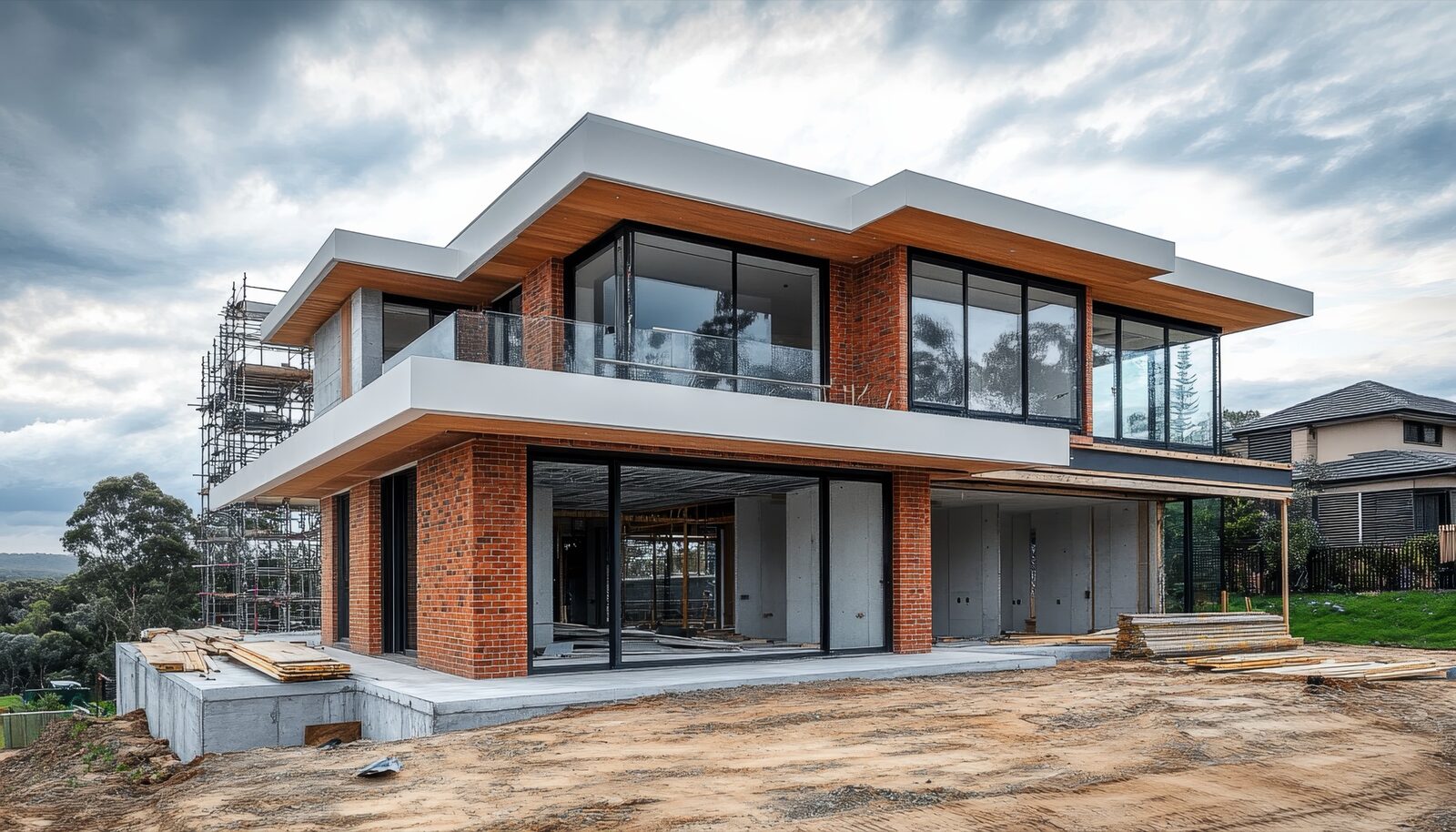
We designed this five-studio rooming house from scratch, found the block undervalued, ran our full due-diligence study, and walked Ben the whole way: from the initial strategy through to tenants in the door.
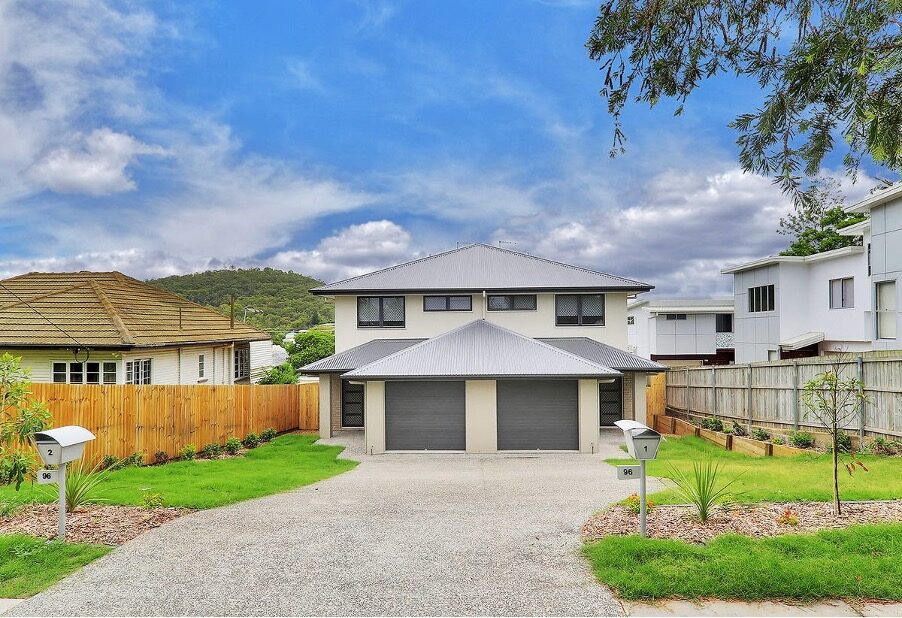
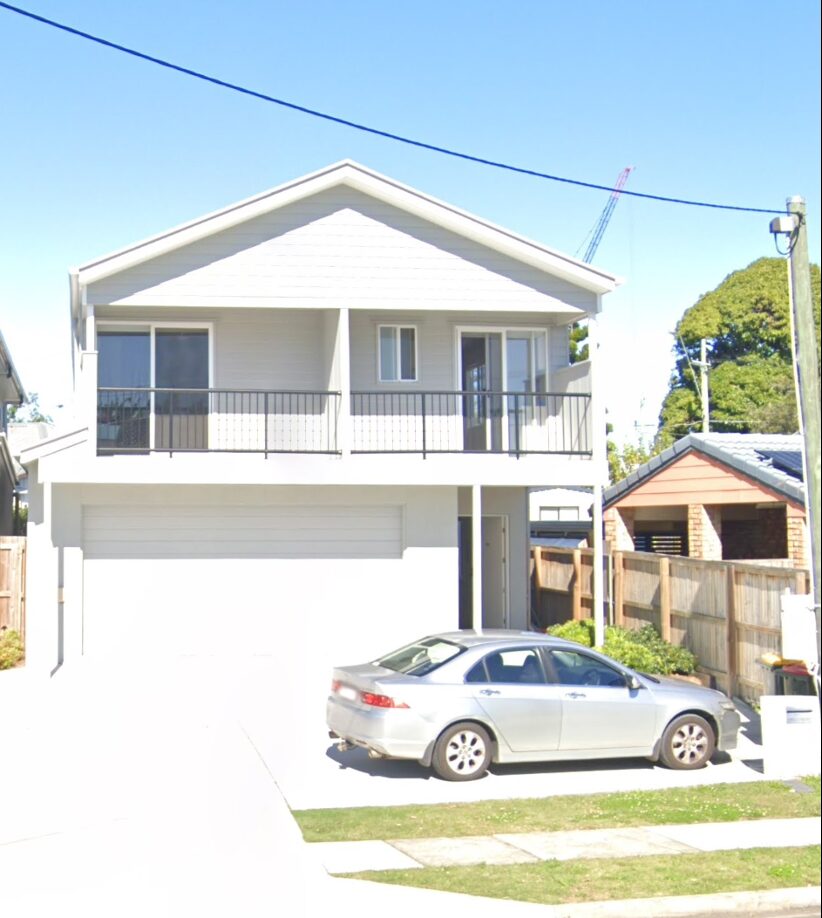
We found a block zoned for a potential duplex, close to the university and Westfield shopping. We shopped around to find the right builder and supported Kenny through the entire build.
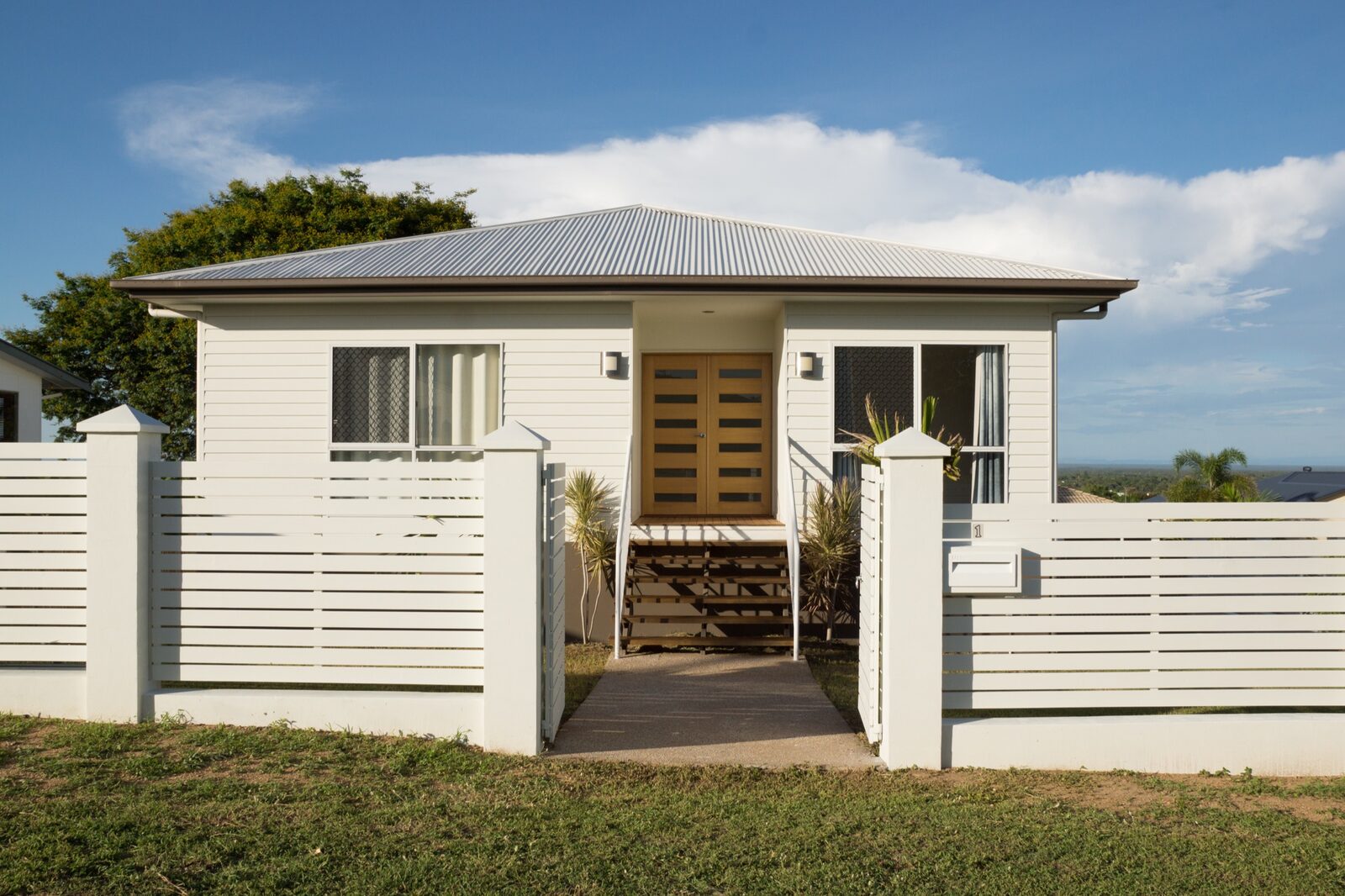
A brand-new five-bedroom house-and-land build in one of Sydney's more affordable suburbs, just 14 minutes from the new Western Sydney International Airport.
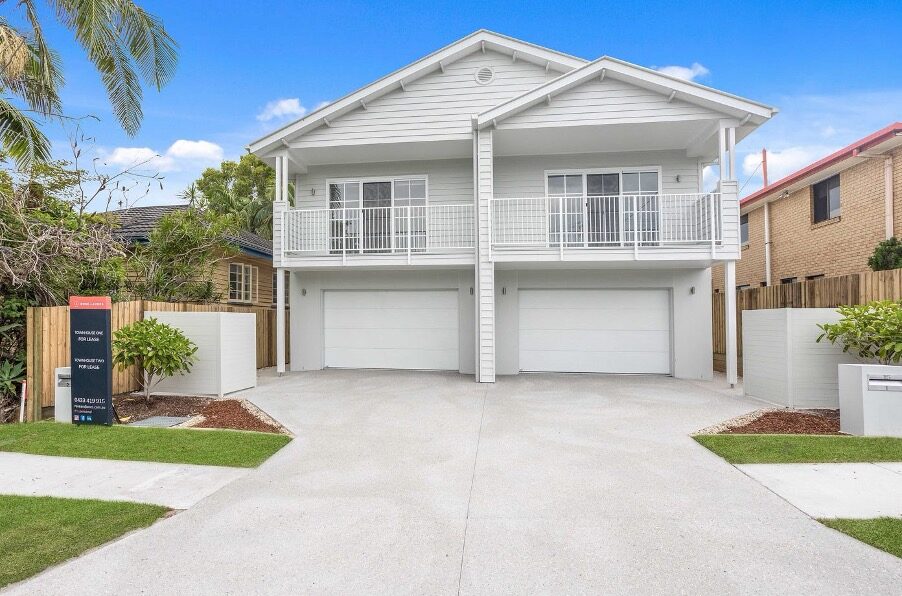
We found a great block of land just 100m from the train station, in one of Melbourne's fastest-growing corridors. We then designed a larger five-bedroom, five-bathroom home built to support multiple tenants and bring in more rent.
Past performance is not a reliable indicator of future performance. These are individual client outcomes and depend on each client's circumstances, the property, and the market at the time. Your result will be different. Values shown are estimates.
We start with the investor, not the property.The Property Room · Since 2017
The Equity Switch only works when the timing, income and goals line up. We would rather tell you straight than waste your time.

“Most property businesses start with the property. We start with the investor. Until we understand what is actually blocking you, a recommendation is just a guess.”Rick StapletonCo-Founder & Director, The Property Room